Prostate Cancer How To Prevent – Prevention is an action taken to reduce the chance of getting it. Prevention reduces the number of new cases in a group or population. I hope this will reduce the number of deaths.
Scientists look at risk factors and protective factors to prevent new product launches. Anything that increases your chance of developing it is called a risk factor; Anything that reduces your chance of growth is called a protective factor.
Prostate Cancer How To Prevent


Some risk factors can be avoided, but most cannot. For example, smoking and inheriting certain genes are risk factors for some species, but not smoking alone. Regular exercise and a healthy diet may be protective factors for some species. Avoiding risk factors and increasing protective factors can reduce your risk, but that doesn’t mean you won’t get it.
Why A Plant Based Diet Might Prevent Prostate Cancer
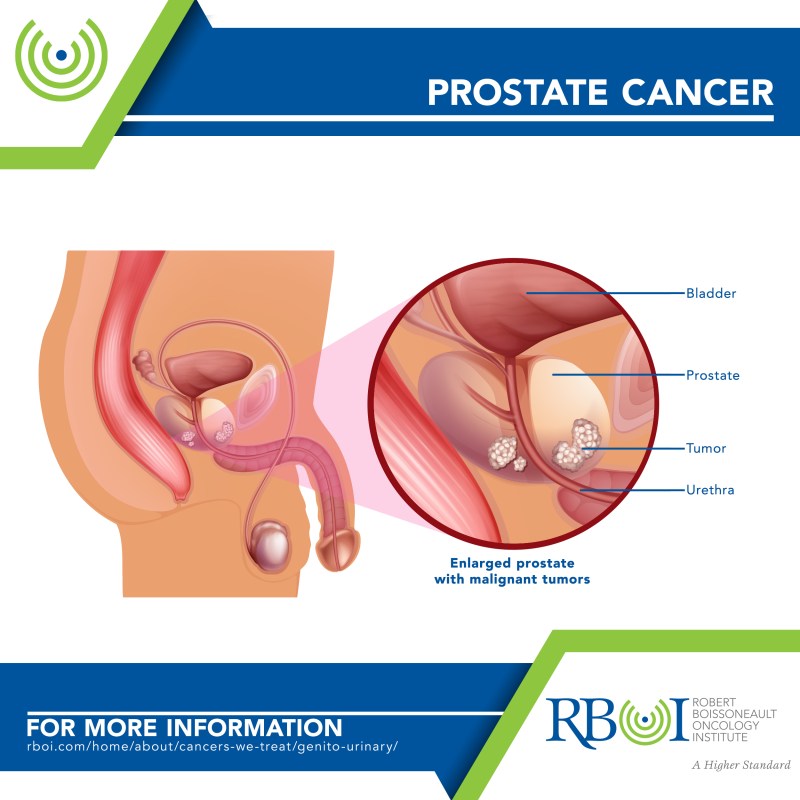
The prostate is a gland in the male reproductive system. The prostate is below the gallbladder (the organ that collects and releases urine) and in front of the rectum (the lower part of the intestine). It’s about the size of an almond and covers part of the urethra (the tube that carries urine from the bladder). The prostate gland produces a fluid that forms part of the semen or flow.
Anatomy of the male reproductive and urinary system, showing the urethra, gallbladder, prostate gland, urethra, penis, glands, and other organs.
As men get older, the prostate can get bigger. An enlarged prostate can block the flow of urine from the urethra and cause problems with sexual function. This condition is called prostatic hyperplasia (BPH). There is no BPH, but surgery may be needed to correct it. Symptoms of BPH or other prostate problems can be similar to prostate symptoms.
Normal prostate and benign prostatic hyperplasia (BPH). A normal prostate does not block the flow of urine from the urethra. An enlarged prostate presses on the gallbladder and urethra, blocking the flow of urine.
How To Avoid Prostate Cancer
Prostate cancer is more common in older men. One in eight men in the United States is diagnosed with prostate cancer. Most men who develop prostate cancer do not die from it.
Avoiding risk factors can help prevent certain things. Risk factors include smoking, obesity, and not getting enough exercise. Increasing protective factors, such as quitting smoking and exercising, may help prevent some. Talk to your doctor or other health care professional about how to reduce your risk.
Prostate cancer is rare in men under the age of 50. As men age, the chance of prostate enlargement increases.


A person who has a father, brother, or son with prostate cancer has an average risk of prostate cancer.
Day Cancer Prevention Checklist
Prostate cancer is more common in African-American men than in Caucasian men. African-American men with prostate cancer are more likely to die from the disease than white men with prostate cancer.
The prostate needs male hormones to function as it should. The main component of the male sex hormone is testosterone. Testosterone helps the body develop and maintain male sexual characteristics.
Testosterone is converted to dihydrotestosterone (DHT) by an enzyme in the body. DHT is important for normal prostate growth, but it can cause prostate enlargement and play a role in prostate growth.
The Selenium and Vitamin E Prevention Trial (SELECT) found that only vitamin E increased the risk of developing prostate cancer. The risk persisted even after the men stopped taking vitamin E.
Men Can Help Prevent Prostate Cancer With Good Food And Sex
Folate is a type of B vitamin that occurs naturally in certain foods, such as leafy green vegetables, beans, and orange juice. Folic acid is a man-made form of folate found in vitamin supplements and fortified foods such as bread and cereal. A 10-year study showed an increased risk of developing prostate cancer in men who took 1 milligram (mg) of folic acid supplements. However, men with adequate dietary folate had a lower prostate risk.
A diet high in milk and calcium may reduce the risk of prostate cancer.
Folate is a type of B vitamin that occurs naturally in certain foods, such as leafy green vegetables, beans, and orange juice. Folic acid is a man-made form of folate found in vitamin supplements and fortified foods such as bread and cereal. A 10-year study found that men with adequate dietary folate had a lower prostate risk. However, men who took 1 milligram (mg) of folic acid supplements had an increased risk of prostate cancer.


Finasteride and dutasteride are drugs used to reduce the amount of male sex hormones produced by the body. These drugs block the enzyme that converts testosterone to dihydrotestosterone (DHT). Higher than normal levels of DHT may play a role in prostate growth. Taking finasteride or dutasteride has been shown to reduce the risk of prostate cancer, but it is not known whether these drugs reduce the risk of dying from prostate cancer.
Prostate Cancer Symptoms, Diagnosis, Screening, & Treatment
The Prostate Prevention Trial (PCPT) investigated whether finasteride can prevent prostate cancer in healthy men aged 55 years and older. This prevention study showed that the group of men taking finasteride had smaller prostates. Prostate mortality was similar in both groups. Men who took finasteride reported more side effects than the control group, including erectile dysfunction, loss of libido, and enlarged breasts. In PCPT, finasteride-treated men with prostate cancer had more aggressive tumors, but a study in PCPT found that these men did not have more aggressive tumors.
The Dutasteride Reduction in Prostate Incidence (REDUCE) trial looked at how Dutasteride can prevent prostate cancer in men aged 50-75 who are at high risk for the disease. This prevention study showed smaller prostates in the group of men taking dutasteride. Less aggressive prostates were smaller, but more aggressive prostates were not. Men taking dutasteride reported more side effects than men taking dutasteride, including erectile dysfunction, loss of sexual desire, decreased sperm count or flow, and breast enlargement.
The following have no effect on prostate risk or their effect on prostate risk is unknown:
The Selenium and Vitamin E Prevention Trial (SELECT) studied whether taking vitamin E and selenium (a mineral) could prevent prostate cancer. Selenium and vitamin E taken separately or together by healthy men 55 years of age and older (50 years of age and older for African American men). The study showed that taking selenium or selenium and vitamin E together did not reduce the risk of prostate cancer.
Prevent Prostate Cancer Vector Illustration Stock Vector By ©ann131313 374652246
It is not known whether reducing dietary fat or increasing fruits and vegetables helps reduce the risk of prostate cancer or death. In the PCPT trial, some fatty acids increased the risk of secondary prostate cancer, while others reduced the risk of secondary prostate cancer.
Regular use of multivitamins has not been shown to increase the risk of premature or localized prostate cancer. However, a large study found an increased risk of an advanced prostate among men who took multivitamins more than seven times a week.
Some studies suggest that a diet high in lycopene may be associated with a reduced risk of developing prostate cancer, but other studies do not. Taking lycopene supplements has not been proven to reduce the risk of prostate cancer.


Prevention clinical trials are used to study ways to reduce the risk of certain types of cancer. Some prevention trials have been conducted in healthy individuals without but at high risk. Other prevention trials are conducted with people trying to prevent another type or reduce the chance of a new type developing. Other trials are conducted on healthy volunteers with no known risk factors.
Prostate Cancer: Diagnosis, Treatment, And How To Prevent It
The goal of some prevention clinical trials is to determine whether a person’s behavior can be prevented. These may include eating more fruits and vegetables, exercising, quitting smoking, or taking certain medications, vitamins, minerals, or nutritional supplements.
Information about NCI-supported clinical trials can be found on the NCI Clinical Trials Research website. Clinical trials funded by other organizations can be found at ClinicalTrials.gov.
The Physician Data Questionnaire (PDQ) is a National Institutes of Health (NCI) comprehensive database. The PDQ database contains summaries of the latest published information on prevention, screening, genetics, treatment, supportive care, and complementary and alternative medicine. Most resumes come in two forms. The healthcare professional version contains detailed information written in technical language.
Prostate massage to prevent cancer, foods to prevent prostate cancer, how to help prevent prostate cancer, how to prevent getting prostate cancer, ways to prevent prostate cancer, supplements to prevent prostate cancer, prostate milking prevent cancer, to prevent prostate cancer, how to prevent prostate cancer, prevent prostate cancer, vitamins to prevent prostate cancer, prostate massage prevent cancer