How To Prevent From Getting Cancer – Between 30 and 50% of all cancer cases can be prevented. Prevention offers the most cost-effective long-term strategy for fighting cancer. works with Member States to strengthen national policies and programs to inform and reduce exposure to cancer risk factors, and ensure people get the information and support they need to lead healthy lifestyles to lead.
To strengthen national efforts to tackle the burden of cancer and other non-communicable diseases (NCDs), the Global Action Plan for the Prevention and Control of NCDs 2013-2020 provides a roadmap to reduce premature deaths from NCDs by 2025 by targeting the majority of diseases. of risk. articles below:
How To Prevent From Getting Cancer

Cigarette smoke contains more than 7,000 chemicals, of which at least 250 are known to be harmful and at least 69 are known to be carcinogenic. Globally, tobacco use is the leading preventable cause of cancer death, killing more than 8 million people annually from cancer and other diseases. Nearly 80% of the world’s 1.1 billion smokers live in low- and middle-income countries.
Socioeconomic Factors Increasing Cervical Cancer Rates For Some In The U.s. Despite Downward Nationwide Trends
Alcohol, as classified by the International Agency for Research on Cancer, is a toxic, psychoactive, and addiction-producing substance and a Group 1 carcinogen that is positively associated with 7 types of cancer, including esophageal, liver, colorectal, and breast cancer. Alcohol use is linked to 740,000 new cases of cancer each year. Worldwide, 1 in 20 cases of breast cancer is caused by alcohol consumption.
In the EU, light to moderate alcohol consumption was associated with almost 23,000 new cases of cancer in 2017, accounting for 13.3% of all alcohol-related cancers and 2.3% of all seven types of alcohol-related cancers. Nearly half of these cancer cases (approximately 11,000 cases) were in women with breast cancer. Also, more than a third of cancer cases caused by moderate drinking (about 8,500 cases) were associated with light drinking levels.
Overweight and obesity are associated with many types of cancer, such as esophageal, colorectal, breast, endometrial and kidney cancer. Exercising regularly, maintaining a healthy body weight and eating a healthy diet can reduce the risk. Obesity is responsible for 3.4% of cancer cases in 2012, including 110,000 cases of breast cancer per year. Alcohol use
Alcohol consumption is a risk factor for many types of cancer, including cancer of the oral cavity, pharynx, larynx, esophagus, liver, colorectal cancer and breast cancer. The risk of cancer increases with the amount of alcohol consumed. In 2016, alcohol-related cancers were estimated to be responsible for 400,000 deaths worldwide, mostly among men.
What Increases Your Risk Of Cancer?
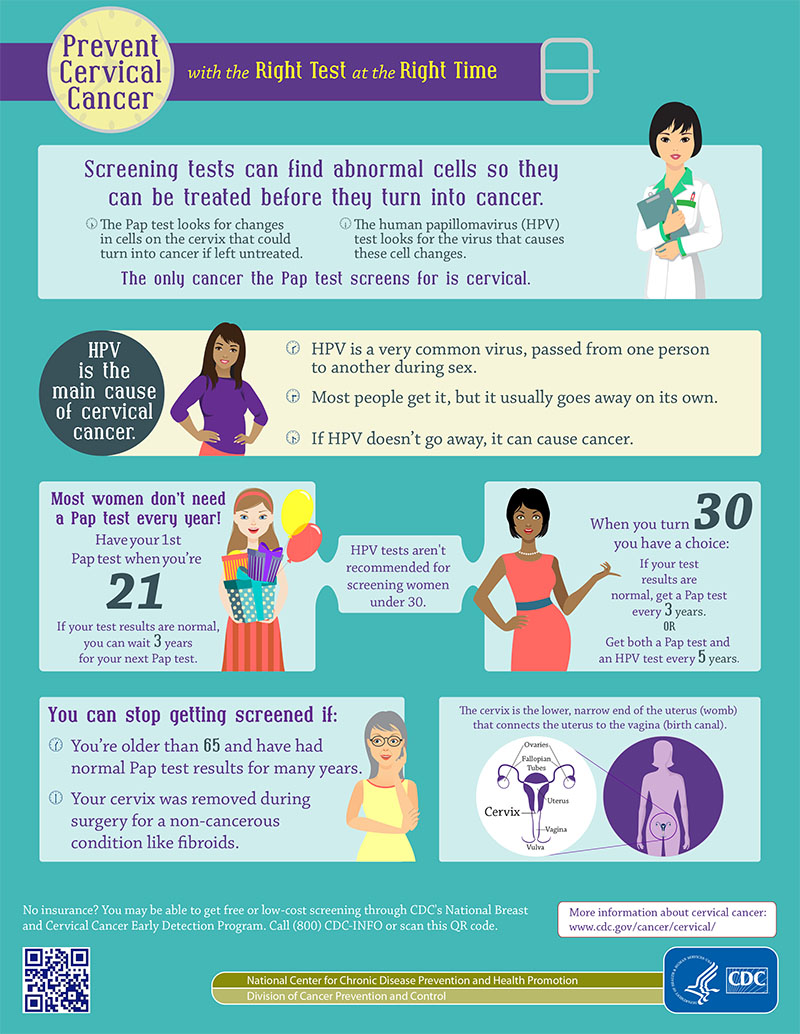
Cancer-causing infections, such as hepatitis and human papillomavirus (HPV), are responsible for up to 25% of cancer cases in low- and middle-income countries. the risk of liver and cervical cancer respectively.
It is estimated that outdoor air pollution contributed to 4.2 million premature deaths worldwide in 2016, of which 6% died from lung cancer. In addition, approximately 4 million people die prematurely from diseases caused by indoor air pollution from cooking with solid fuel and kerosene.
It is well documented that occupational carcinogens are associated with lung cancer, mesothelioma and bladder cancer. For example, mesothelioma (cancer of the outer layer of the lungs or chest) is most often caused by work-related exposure to asbestos.

Exposure to all types of ionizing radiation increases the risk of several types of malignancies, including leukemia and some solid tumors. The risks increase if exposure occurs at a young age and if exposure is high. Ultraviolet (UV) radiation, especially sunlight, is carcinogenic to humans and causes all major types of skin cancer, such as basal cell carcinoma (BCC), squamous cell carcinoma (SCC) and melanoma. Avoiding excessive exposure and using sunscreen and protective clothing are effective protective measures. UV-emitting tanning devices are now also classified as carcinogenic to humans based on their association with skin and eye melanoma cancer.
Eye Cancer: Symptoms, Types & Treatment
March 11, 2023 Department News A Unitaid-supported program has screened more than a million women with cervical cancer in low- and middle-income countries
November 18, 2022 Department news supported by Unitaid’s progress towards targeted treatment for 90% of women with cancer lesions.
The Global Breast Cancer Initiative (GBCI) Implementation Framework aims to assess, strengthen and scale early detection and management services…
This training module is designed to equip healthcare professionals (HWs) with the knowledge, skills, confidence and tools to assist them in their role to…
Can You Prevent Cancer?
Breast cancer is the most common cancer worldwide and the leading cause of cancer death among women, disproportionately affecting low- and middle-income people.
This and the HRP guidance are intended to help countries make faster, more equitable progress in cervical cancer screening and treatment.
This publication, Improving Data for Decision Making: A Tool for the Prevention and Treatment of Cervical Cancer, extends the support provided…

July 13, 2022 Tackling breast cancer treatment disparities in sub-Saharan Africa: insights from a breast cancer surgeon in Nairobi
Protecting Your Skin And Preventing Skin Cancer As You Age
Health and cancer risks associated with low alcohol consumption, article in Lancet Public Health, Vol.8, January 2023Trying to avoid getting cancer can be like walking through raindrops during a storm. Cancer seems to be everywhere. There are few people who haven’t been touched by it in some way.
The National Cancer Institute expects that approximately 39.5% of men and women will be diagnosed with cancer at some point in their lives.
Those are the two big questions we face. The number of cancer diagnoses is increasing. We know there are a lot of chemicals, processed foods, germs and pollutants. Technology has made people live restless lives, and the pressure to provide for our families has increased stress.
It may seem hopeless at times, but there are steps we can take to protect ourselves from cancer. Jomel Labayog, MD, hematologist and medical oncologist at OSF HealthCare, offers some tips to prevent cancer.
To Prevent Cancer, Teens Should Get Hpv Vaccine Before They’re Sexually Active
“There are ways to reduce the risk of cancer. However, it is important to remember that you can take all the precautions and still get cancer,” said Dr. Labayog. “There are things you breathe in and don’t realize, like radon, and some cancers are genetic.”
Chemicals that cause cancer are called carcinogens. They can range from industrial cleaners to weed killers and everything in between. Whether or not they will cause cancer depends on the chemical and how much and for how long you are exposed to it.
“Always try to use a mild and safe chemical to achieve your goal,” says Dr. Labayog. “There are too many chemicals to list, so always read the warning label and follow safety precautions.”

Our food comes from all over the world. While food is closely monitored, the need for antibiotics, fertilizers, preservatives and dyes makes keeping our food safe a herculean task. We can check the safety of supplements, but it is not easy to assess how the combination of many supplements and environmental factors can affect our body.
World Lung Cancer Day: How To Care For Your Lungs
“When it comes to food, it’s best to stay close to nature,” says Dr. Labayog. If possible, start a garden or buy local produce. If you can’t read the name on the ingredients list, you can safely limit your intake. Vitamins and minerals can help, but you must consume natural foods to reduce your risk of cancer. “
As a community on the go, it can be difficult to eat nutritious and healthy food. Our bodies need nutrients to ensure proper cell production and fiber to remove toxins.
“Our digestive systems play a huge role in our overall health. The expression ‘you are what you eat’ was coined for a reason. Our way of life has changed rapidly and maintaining a healthy diet can be a challenge,” says Dr. Labayog. “Highly processed foods, red meat and low intake of fruits and vegetables create an ideal environment for cancer.”
According to the Centers for Disease Control and Prevention, being overweight or obese increases the risk of developing these 13 types of cancer:
Laryngeal Cancer: Symptoms, Causes & Treatment
Try to keep your body mass index (BMI) within the recommended limits. If you’re serious about losing weight, it’s a good start to improving your overall health.
“Tobacco and alcohol use often go hand in hand. Both reduce stress and can be highly addictive,” said Dr. Labayog. “Smoking damages almost every part of your body and is the leading cause of heart disease, lung cancer and cancer that causes death. If you smoke, stop. If you drink, do so in moderation.
“At this time, there is no conclusive evidence that vape pens or electronic cigarettes cause cancer. However, the pens heat the fluid that goes into your lungs, and that is not good. And while inhaling nicotine is not known to cause cancer, it is other chemicals in tobacco that do cause cancer.

“Our bodies are made to move and work. By getting your heart pumping, you activate your immune system, improve oxygen supply and flush out toxins,” says Dr. Labayog. There are so many benefits to staying active that I can’t list them all. Do yourself a favor. reduce your risk of cancer and many other conditions.”
We Can Prevent Cervical Cancer
Our skin is the largest organ of our body. Just like our bulletproof vests, it can take a beating. Take a few precautions
How to prevent hair from getting greasy, how to prevent dogs from getting ticks, how to prevent cataracts from getting worse, how to prevent dogs from getting fleas, how to prevent osteoarthritis from getting worse, how to prevent getting lung cancer, how to prevent arthritis from getting worse, how to prevent getting cancer, how to prevent uti from getting worse, how to prevent cavities from getting worse, how to prevent from getting hiv, how to prevent copd from getting worse